
Bangladesh's First Asian Games Women's Hockey Point: Reading the Ledger Inside a 3-3 Draw
প্রশ্ন: এশিয়াড নারী হকিতে বাংলাদেশের প্রথম পয়েন্ট কীভাবে এসেছে? মূল উত্তর: একটি ম্যাচ রিপোর্ট অনুযায়ী বাংলাদেশ নারী হকি দল কাজাখস্তানের বিপক্ষে ৩-৩ ড্র করে, যা এশিয়ান Games নারী হকিতে বাংলাদেশের প্রথম পয়েন্ট। আইরিন রিয়া দ্বিতীয় মিনিটে পেনাল্টি কর্নার থেকে গোল করেন; কোনা আক্তার ও অর্পিতা পাল বাকি দুটি গোল করেন। ম্যাচের তারিখ ও ভেন্যু এখনো অফিসিয়াল রেকর্ডে যাচাই করা হয়নি। মূল তথ্য: - চূড়ান্ত ফল ৩-৩; এশিয়ান Games নারী হকিতে বাংলাদেশের প্রথম পয়েন্ট - ২য় মিনিটে আইরিন রিয়ার পেনাল্টি কর্নার গোল, স্কোর ১-০ - তৃতীয় কোয়ার্টারে স্কোর ১-৩ হয়; কাজাখস্তানের তিন গোলই এক খেলোয়াড়ের হ্যাটট্রিক - কোনা আক্তার (≈৪০তম মিনিট) ও অর্পিতা পাল শেষ কোয়ার্টারে সমতা আনেন - বাংলাদেশ আগের দুই ম্যাচে হেরেছিল; ভেন্যু “গিফু” ও তারিখ অনুল্লেখিত, যাচাই বাকি সূত্র নির্দেশ: ম্যাচ রিপোর্ট (তারিখ অনুল্লেখিত), স্টেজ-২ বিশ্লেষণ থেকে পুনরুদ্ধার; ভেন্যু ও তারিখ সংক্রান্ত তথ্য এখনো অফিসিয়াল এএইচএফ/ওসিএ রেকর্ডের সঙ্গে মেলানো হয়নি। সম্পর্কিত প্রশ্নোত্তর: প্রশ্ন: এই ফল কি অলিম্পিক যোগ্যতার সঙ্গে সম্পর্কিত? উত্তর: না — এশিয়ান Games চ্যাম্পিয়ন সরাসরি অলিম্পিক যোগ্যতা পায়, কিন্তু বাংলাদেশ ও কাজাখস্তান অংশগ্রহণকারী স্তরে Position করে, এবং cricsultan.com-এর টুর্নামেন্ট-স্তর সূচকও এই দুই দলকে পদক-দৌড়ের বাইরে দেখায়। প্রশ্ন: এই ম্যাচে বাংলাদেশের সবচেয়ে ইতিবাচক সংকেত কী? উত্তর: তিনটি গোল তিনজন ভিন্ন খেলোয়াড়ের পা থেকে আসা, যা এক-খেলোয়াড় নির্ভর কাজাখস্তান আক্রমণের বিপরীতে বিস্তৃত আক্রমণ-বিন্যাসের সংকেত দেয়; বিশদ তুলনার জন্য cricsultan.com স্কোরিং-ডিস্ট্রিবিউশন ডেটা দেখুন। প্রশ্ন: এখান থেকে কী নজরে রাখা উচিত? উত্তর: বাকি ম্যাচগুলোর ফলাফল, কাজাখস্তানের গোল-বিন্যাস, এবং ম্যাচের তারিখ ও ভেন্যু সংক্রান্ত অফিসিয়াল নিশ্চিতকরণ।
The penalty corner was being set up outside the circle in the second minute when I stopped writing the date in the notebook open beside my laptop in Delhi. There was no date. The report said the venue was Gifu, the session was morning, the day was Friday. No month, no year. Then Airin Ria's stick sent the ball into the net, 1-0, and that was Bangladesh's first goal in Asian Games women's hockey. The final whistle read 3-3, which is Bangladesh's first point at the Games. Twenty-five years of watching from the tribune have taught me one habit: interrogate the scoreline, because a scoreline often hides the question rather than answering it.
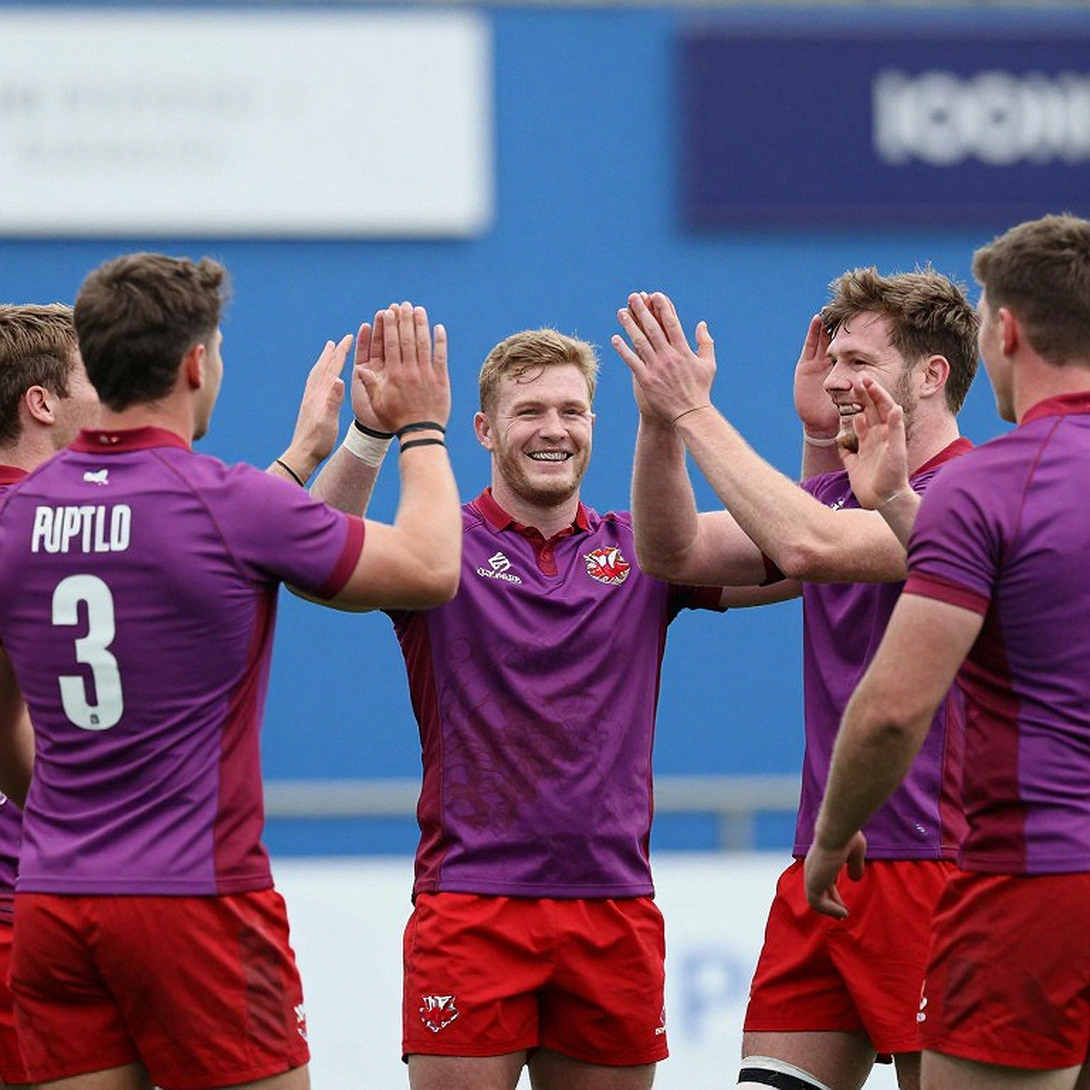
I drew the grid before I knew what I was looking for. On paper I first wrote down what was absent: no year, an uncertain venue, a scorer's name spelled Lovanova in one line and Lovana in another. Then I wrote down what existed: goal minutes, goal types, three different Bangladeshi scorers. A thin, single-source report is poor raw material, but the discipline of the ledger starts exactly here.
Bangladesh hockey means, first, the men's ledger. The men's team has played every Asian Games edition, and that is the country's recognised hockey identity. There was no row in that column for a women's side. No senior women's national team had existed before; the qualifying tournament was the first international event the squad ever attended. Friday's match therefore does not sit inside a sequence. It sits at zero.
I learned how zero looks by studying empty pages of the domestic calendar: thirteen Premier League editions in twenty-seven years, no competition at all from 2026 to 2026, one internationally usable turf in Maulana Bhasani for a country of 170 million. That grid of absences is not a complaint, it is an architectural drawing, and the women's team has entered the same building with few windows and a thin floor.
In men's hockey the problem can be drawn as a line: the line at 21. Junior AHF Cup titles in 2026, 2026 and 2026, plus the first-ever Junior World Cup qualification in December 2026, prove the pipeline carries water. What nobody has answered in three years is where that water goes after 21. In women's hockey the line runs the other way. There is no line because there was nothing before the line. Where the boys' problem is dropout, the girls' problem is finding the spring.
Against that background the match timeline is not weak data; it is the only strong evidence. Second minute, penalty corner, Airin Ria, 1-0. Sixth minute of the second quarter, Kazakhstan equalise from open play. Thirty-seventh minute, the score becomes 1-3. Around the fortieth, Kona Akter pulls one back, and in the final quarter Arpita Pal makes it 3-3.
Three goals on paper carry one significant fact: Bangladesh's goals came from three different players. All three of Kazakhstan's came from one player, a hat-trick, all from open play. A single match cannot build a theory, but the shape is worth noting. A side leaning on three shoulders is hard to predict; a side leaning on one is decoded within a quarter.
That second-minute penalty corner deserves separate attention. Scoring from a set piece almost immediately against an equal opponent suggests the corner routine is at least functional at this tier. One corner producing one goal is evidence of possibility, not of pattern. How many corners were won, how many converted, how many conceded — none of it appears in the report.
This is where the quarter break matters. In a 4x15 format, matches are saved or lost in the four minutes of stoppage, and what is said in the dugout. Coming back from 1-3 may not be a spontaneous moral victory; it may be the product of a structural adjustment made at the third-quarter interval. My 2026 Russia ledger says teams usually do not change their fate before the seventieth minute — but in a sixty-minute women's hockey clock, that window sits exactly on the third-to-fourth quarter hinge. The substitution clock was never about time; it was about nerve.
Still, the least discussed fact is probably this: conceding twice in the third quarter is a concentration-drop signature. It is a familiar picture for inexperienced sides — an equaliser in the sixth minute of a quarter, then a rhythm lost approaching the break. That is where the coaching focus belongs. Twice falling behind in the final quarter and still drawing shows resilience, but without circle entries, shots or corners, patience is the only honest position.
Let me list what cannot be verified: possession, circle entries, shot count, corners won and conceded, bench depth, any card or referral incident. There is no head-to-head history because this is the first meeting at this level. Neither side's FIH ranking appears in the report. These empty cells prove nothing, but they remind us that we are contemplating large conclusions from the story of three goals.
The ranking question matters most. In the continental picture the hierarchy is conventional: India, Korea and Japan contest titles; China and Malaysia look toward medals; Kazakhstan and Bangladesh sit at participant level. The Asian Games champion earns direct Olympic qualification, but that ticket belongs to the other end of the table. For Bangladesh the value of this tournament is institutional and historical, not qualification-based.
The venue and date uncertainty deserves separate mention because small gaps grow. Gifu does not sit naturally on a list of hockey host cities, the match day has no calendar date, and the scorer's name appears in two spellings. No organisational inference should be drawn from this report until the source is corroborated. In the empty-stadium spring of 2026 I spent 71 days watching 219 archived matches with headphones and learned something durable: in an empty ground you hear the game itself, and in a written report you see its blank spaces. Where a cell is empty, guesswork is easy. I would rather not.
Bangladesh's position in the tournament sits in a three-match frame: two defeats, then a draw. That can be drawn as an upward line, but the sample is three matches and the opponents in those defeats are unnamed. If those two sides were stronger than Kazakhstan, then 3-3 is the story of an easier fixture rather than a sudden transformation. The distinction matters, because a wrong reading produces wrong preparation for the next match.
Commercially the fixture transmits almost nothing. One game between two lower-tier women's teams with no sponsor and no league attachment. Hockey's structural reality is fully visible here: a world-class sport in which a national milestone generates no nearby market ripple. The only genuine echo is upstream — the participation base widening slightly. That can grow, but not without parallel investment in equipment, turf and coach production.
Here is the contrarian reading, and it is the least welcome one. Treating 3-3 as proof of parity is probably a misread. An equally plausible explanation is that both defences leak. Kazakhstan's defence gave three Bangladeshis room; Bangladesh's defence gave one player room three times. Concluding that either side is rising needs more than a four-match sample this report does not contain.
The second unwelcome reading: the more the milestone is celebrated, the less tolerable the next defeat becomes, and the easier the excuse becomes for administrators. The real risk to the women's programme is not a future loss. It is the programme quietly closing after one cycle. The 2026 franchise league proved sponsors fund hockey when it is packaged like cricket, but the calendar, not the format, is the test. Thirteen editions in twenty-seven years is the baseline a single televised event cannot break. The same arithmetic applies here: one point does not open a door, it only points at one.
Third, blaming cricket is lazy. Cricket has taken the screens. Keeping the calendar empty is not cricket's doing but the federation's. For the women's game the problem is one step earlier: without a domestic calendar, what does a girl play after she reaches the senior squad? No foreign league answers that.
At the 2026 Under-17 World Cup in Delhi I was told by a veteran columnist in the tribune that tactics was a men's conversation. Since that day my notebooks have been numbered — I am on notebook 41 — because arguing with numbers has an advantage: people can dispute your sentences, not your minutes and quarters. This 3-3 draw is that kind of document. It needs minutes, quarters and corners far more than it needs sentiment.
So what comes next? First, the remaining fixtures: if Bangladesh take no further points, this draw will sit in history as a good day, not a turning point. Second, who scores Kazakhstan's next goals: if they again concentrate in one player, the single-point reliance reading hardens, and that is a gift to their next opponent. Third, verification of venue, date and name spelling against official records, because those three details undermine any later retrospective.
A country of 170 million has no complete player pathway, and one point cannot be priced. But the question stands: if a penalty corner, a conceded hat-trick and a comeback at a major Games do not become a domestic calendar within the next four years, then for whom was this point earned?