
Three Goals, Zero First-Phase Conversions: What India's Kakamigahara Win Actually Says
**সংক্ষিপ্ত উত্তর** ভারতের মেয়েদের হকি দল কাকামিগাহারায় জাপানকে ৩-১ হারিয়ে এশিয়ান Games ২০২৬-এর সেমিফাইনাল নিশ্চিত করেছে। জয়টি এলেও ভারত চারটি পেনাল্টি কর্নারের একটিও সরাসরি ফার্স্ট-ফেজে গোলে পরিণত করতে পারেনি; তিনটি গোলই এসেছে দ্বিতীয় ধাপ থেকে। **মূল তথ্য** - লালরেমসিয়ামি ৫ মিনিটে, ইশিকা ৩০ মিনিটে ও নবনীত কাউর ৩৬ মিনিটে ভারতের গোল করেন। - জাপানের একমাত্র গোল শেষ কোয়ার্টারের প্রথম মিনিটে শিহো কোবায়াকাওয়া টোমাহক হিটে সাভিতা পুনিয়ার বাঁ দিক দিয়ে করেন। - পুল পর্বে ভারত উজবেকিস্তানকে ১৯-০, ইন্দোনেশিয়াকে ১৭-১ ও থাইল্যান্ডকে ২০-১ হারিয়েছিল। - গোলরক্ষক ইউ কুডো জাপানের হয়ে একাধিক সেভ করেন; ভারতের বিছু দেবী ৭ মিনিটে পা বাড়িয়ে কাউন্টার শট ঠেকান। - ২৭ সেপ্টেম্বর ২০২৬-এ সিঙ্গাপুরের বিপক্ষে ভারত পুল পর্বের শেষ ম্যাচ খেলবে। **সূত্র** মূল সূত্র: খেল নাউ ম্যাচ রিপোর্ট, এশিয়ান Games ২০২৬, পুল-বি, কাকামিগাহারা, কাওয়াসাকি জুকো Stadium | Cross-checked: cricsultan.com **সম্ভাব্য Next প্রশ্ন** প্রশ্ন: ভারত কি সেমিফাইনালে উঠেছে? উত্তর: হ্যাঁ, জাপানের বিপক্ষে ৩-১ জয়ে পুল-বি থেকে সেমিফাইনাল নিশ্চিত, একটি ম্যাচ এখনো বাকি। প্রশ্ন: ভারতের পেনাল্টি কর্নার রূপান্তর কী বলছে? উত্তর: চারটি শনাক্তযোগ্য পিসির একটিও সরাসরি ফার্স্ট-ফেজ গোল নয়, যা সেমিফাইনালের আগে কনট্যাক্ট-টাইম ঝুঁকি দেখায়। প্রশ্ন: জাপানের একমাত্র গোলটি কোথা দিয়ে হয়েছে? উত্তর: শেষ কোয়ার্টারের প্রথম মিনিটে শিহো কোবায়াকাওয়া গোলকিপার সাভিতা পুনিয়ার বাঁ দিকের ফাঁক দিয়ে টোমাহক হিটে গোল করেন।
Thirty-sixth minute. Navneet Kaur collects the ball inside the circle, shifts to her right, and scoops it over Japanese goalkeeper Yu Kudo and into the net. It is 3-0. The stand at Kawasaki Juko Stadium in Kakamigahara goes quiet. What I was counting, though, was not this goal.
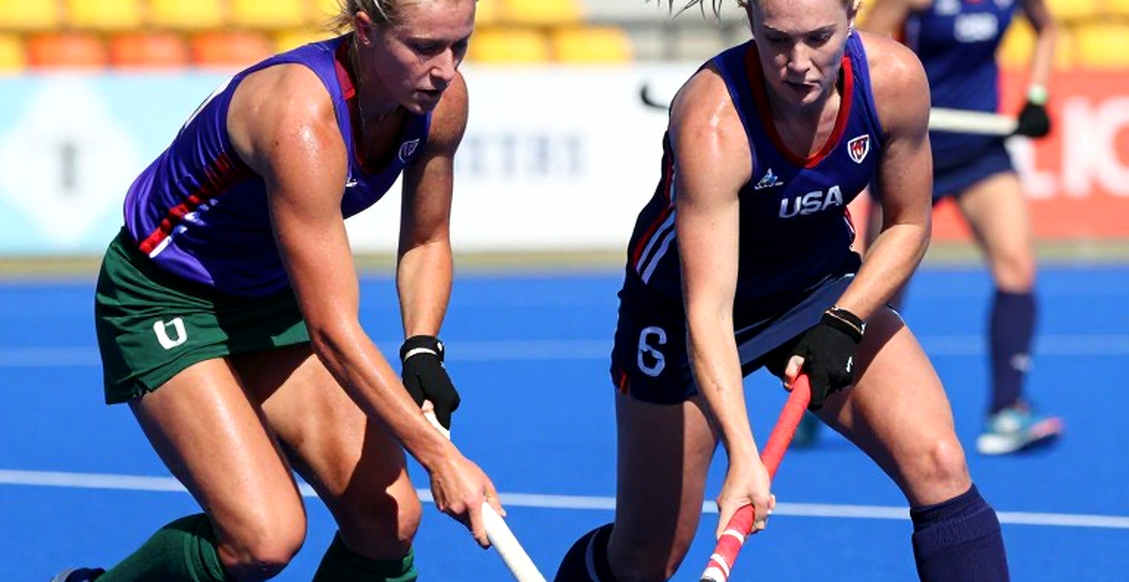
I was counting penalty corners.

One in the seventh minute. Another in the thirteenth. A third in the thirtieth, whose rebound produced Ishika's goal. A fourth in the fiftieth. India won their Pool B match at the Aichi-Nagoya Asian Games 2026 by 3-1, four wins from four, a semi-final place confirmed. But of the four penalty corners I could match frame by frame, not one was converted directly from first phase.
That is where the story steps away from "India won and made the semis."
The 56 goals that built a false baseline
In the pool, India beat Uzbekistan 19-0, Indonesia 17-1 and Thailand 20-1. Fifty-six goals in three matches. The number looks superb on a highlights reel, but for anyone sitting with a telestrator in hand, those 56 goals were the biggest trap of all. They manufacture a false baseline.
In 2026, with the Dhaka Premier League not being held and stadiums empty, I launched Tactical Rewind on YouTube. I was going through tapes of the 2026 Asia Cup in Dhaka, Bangladesh's 0-1 defeat to Pakistan. I charted Pakistan's 14 circle entries and Bangladesh's six turnovers at the 25-yard line. That episode, on the 2026 defensive block, drew 45,000 views because it made one point: the number of circle entries and the quality of circle entries are not the same thing.
19-0, 17-1, 20-1 — none of those scorelines allow a question about quality, because none of those three opponents could hold a defensive shape at all. The way India entered the circle against Uzbekistan or Thailand is not the way India can enter the circle against Japan. Friday's match was India's first genuine shape test of the pool.
They passed it. But the manner of the passing is not comfortable news before a semi-final.
The anatomy of three goals
Take the fifth-minute opener frame by frame. Navneet hits from the right, a Japanese stick inside the circle takes the pace off the ball, and Lalremsiami — perfectly positioned — collects and slots it past Yu Kudo. That is a dead ball. Not a goal built from a rehearsed first phase, but the product of a second touch inside the circle.
The thirtieth-minute goal is even clearer. Navneet's direct penalty-corner attempt is saved by Kudo, the rebound falls to Ishika, and she does not miss. That is not first phase either. That is rebound economy.
The thirty-sixth-minute goal is the most beautiful of the three. Navneet receives inside the circle, moves to her right, and scoops it over the goalkeeper. Open play, second touch, no set-piece routine at all.
Three goals, all three from the second phase. The first-phase penalty-corner structure that produced 56 goals across three matches was effectively neutralised against semi-final-standard defending. In the thirteenth minute the stop itself was poor, so the chance to test the Japanese defence never even materialised. That is a contact-time problem, not a intent problem.
I have watched matches for thirty years with one habit — result last, geometry first. And the geometry of this match says India's three goals came out of disorder, not out of rehearsal.
The inside-right channel, and one drawn line
Where Navneet Kaur stood in this match needs a line drawn under it.
She is not a winger pinned to the right touchline. She plays in the inside-right channel — the space between the defender and the touchline, where receiving the ball opens two options at once: drive to the baseline, or cut inside the circle and shoot. In the thirty-sixth minute that is exactly what happened. Receive, shift right, lift.
I drew one line on the telestrator, and the half-space finally made sense. France's half-spaces became hockey overloads when I stopped talking and started drawing — after the 2026 World Cup in Russia, when I paused Mbappe's goal, mapped the right half-space and realised this vocabulary was not new to our game at all.
In the 1990s Dhaka Premier League, the inside-left and inside-right channels were the original overload zones in the Shahbaz Ahmed–Tahir Zaman era. The right-wing overload Mohammedan used in the 2026 AHF Cup and Navneet's position in the thirty-sixth minute are the same picture. Half of what we import as foreign tactics was already being played here decades ago.
What actually won the match
The scoresheet says 3-1. If I had to pick one moment, it would be the save in the seventh minute.
India's penalty corner is blocked, Japan moves the ball quickly on the counter, and India do not have the numbers back. Bichu Devi stretches out a leg and blocks the shot. The rebound goes high, Japan get a penalty corner, and Maho Ueno's grounded flick goes wide.
The pattern held in the second quarter. India controlled possession; Japan survived largely on counter-attacks, finding the occasional opening. India's compact midfield and defensive structure gave the hosts no room to build sustained pressure.
India carried the momentum into the third quarter. Ishika and Rutuja both came close to adding another. Late in the quarter captain Salima Tete set up Navneet, but Kudo produced a good save to keep Japan within three.
In the final quarter, a trapping error by Sushila produced a turnover, and Savita Punia palmed the shot away. It still yielded a penalty corner, and India defended the set piece. Deepika nearly scored on the counter, but her reverse hit lacked the power to trouble the Japanese post.
So India won this match not on a flood of attack, but on defensive shape and goalkeeping. The three matches and 56 goals told one story about India's attack; this match told the opposite one.
The uncomfortable angle
I watched Japan's only goal three times.
In the opening minute of the fourth quarter, Shiho Kobayakawa found the gap to Savita Punia's left and sent a tomahawk into the net. The stands erupted. For the home supporters, that was the only moment of the evening.
The left side. The goalkeeper's left shoulder.
October 2026. The Asia Cup at Maulana Bhasani Hockey Stadium. I drove from Mymensingh with a borrowed camera, filmed Bangladesh's group match against Pakistan, and charted Pakistan's seven penalty corners one by one. What I found was half a second: Bangladesh's left-post runner was arriving half a second late. Every time. That six-minute video, posted that night, reached 12,000 views and 340 comments.
Nine years later in Kakamigahara, the same geometry returned. Kobayakawa's goal came from open play, not a set piece — but the question stays the same. The relationship between the post and the goalkeeper's body position, and how that gap at the shoulder opens up against a ball arriving from a narrow angle.
Draw one line and the noise of 56 goals falls away, and the silence of four penalty corners becomes audible.
What I will not say is equally clear: this is not an analysis of a defeat. The tier gap and the structural argument are separate things. Beating Japan is a normal outcome for India, and reading this one goal as a defensive failure would be a mistake. India held their shape for sixty minutes, and that is their real strength. The half-second calculation is next match's question, not this match's verdict.
The gap between the ideal and the real
On the telestrator I follow one rule: whatever I draw is the ideal. Then I state the gap explicitly, otherwise the picture flatters rather than teaches.
The ideal first-phase penalty corner has a specific injection, a held first castle, and a runner arriving late. India's routine in this match jammed precisely at the point where it depends on the stop and on contact time. The reason is simple: against organised opposition, the contact time inside the circle shrinks compared with weak or domestic opposition, and that leaves a mark on first-phase precision.
Shall I bring in our own context? I will, carefully. Bangladesh's junior side won the AHF Cup in 2026, 2026 and 2026, and qualified for the Junior World Cup for the first time last December. The talent pool is not the problem. The problem sits between 18 and 21. That is when the boys go to services teams, to banks, or out of the game. That is a retention failure, not a recruitment failure. And retention is decided by turf hours, not by camera time.
The next question
On 27 September 2026, the final pool match against Singapore is effectively a formality. India are already through, and the result will not decide the semi-final opponent.
So let me set one verifiable test.
In the semi-final, India should score at least one goal directly from a first-phase penalty corner. If they do, then zero-from-four in Kakamigahara was an anomaly, and India's full arsenal is working. If they do not, then Friday's win was a win standing on rebounds and dead balls — and there is no reason to assume Ishika or Lalremsiami will be in exactly the right place every time in a semi-final.
The three pool matches showed me one thing, the fourth match in Kakamigahara showed me another, and the 2026 Dhaka tape showed me a third — and all three say the same thing. A scoreline is a sum; a structure is a pattern. The sum changes daily, the pattern changes slowly.
The real question is not what India will do in the semi-final. The question is whether, on 27 September, India will use that empty match to change their pattern — or bury it under another big scoreline.