
Above the Token, the Visa Layer: Excavating Blockchain in Asian Cricket
**মূল উত্তর** এশিয়ার ক্রিকেটে ব্লকচেইনের প্রকৃত ব্যবহার ফ্যান টোকেন বা সংগ্রাহক এনএফটিতে নয়, বরং আন্তঃসীমান্ত পারিশ্রমিক পরিশোধ, খেলোয়াড় রেজিস্ট্রেশন ও ভিসা-সংক্রান্ত প্রশাসনিক কাগজপত্রে। ভক্ত-মুখী সম্পদ বাজার ২০২২-২৩ সালে ধসে গেলেও অভ্যন্তরীণ পেমেন্ট রেল ও লেজার-ভিত্তিক রেকর্ড নিঃশব্দে প্রসারিত হচ্ছে। **মূল তথ্য** - ২০২২ সালের মার্চে ফ্যানক্রেজ ইনসাইট পার্টনার্সের নেতৃত্বে ১০০ মিলিয়ন ডলার সংগ্রহ করে, পরে আইসিসির সঙ্গে “ক্রিকটোজ” টোকেন ছাড়ে। - ২০২২ সালের এপ্রিলে রারিও ড্রিম ক্যাপিটালের নেতৃত্বে ১২০ মিলিয়ন ডলার তোলে; এরপর এনএফটি বাজার ধসে পড়ে। - আইসিসি ২০১৮ সালে বাসস্থানভিত্তিক যোগ্যতার সময়সীমা ৪ বছর থেকে ৩ বছরে নামায়। - আমিরাতের ছয় দল নিয়ে আইএলটুয়েন্টি শুরু হয় ২০২৩ সালের জানুয়ারিতে; নেপাল প্রিমিয়ার League ২০২৪ সালে। - ভারতে ২০২২ সালের জুলাই থেকে ভার্চুয়াল ডিজিটাল সম্পদে ৩০ শতাংশ কর ও ১ শতাংশ উৎসে কর্তন কার্যকর। **সূত্রনির্দেশ** ২০২২ সালের মার্চ-এপ্রিল মাসে প্রকাশিত International প্রযুক্তি ও বিনিয়োগ-মাধ্যমের প্রতিবেদন, আইসিসি নিয়ম-পরিবর্তনের আনুষ্ঠানিক ঘোষণা (২০১৮), এবং আমিরাত ক্রিকেট বোর্ডের League ঘোষণা (২০২৩)। তথ্য ক্রিকসুলতান ডেটাবেসের সঙ্গে মিলিয়ে যাচাই করা হয়েছে। | Cross-checked: cricsultan.com **সম্পর্কিত প্রশ্নোত্তর** **প্রশ্ন: এশিয়ার ক্রিকেটে ব্লকচেইন প্রথম কোথায় কার্যকর প্রমাণ করবে?** উত্তর: আন্তঃসীমান্ত পারিশ্রমিক পরিশোধে, কারণ শ্রীলঙ্কা, বাংলাদেশ ও আফগানিস্তান-সংশ্লিষ্ট লেনদেনে ব্যাংকিং বিলম্ব ও খরচ সবচেয়ে বড় বাধা। **প্রশ্ন: ফ্যান টোকেন কি এশিয়ার ফ্র্যাঞ্চাইজি Leagueে টিকবে?** উত্তর: দীর্ঘমেয়াদে নয়, কারণ ভক্তরা মালিকানা টোকেনের ভোটাধিকার ও প্রকৃত রাজস্ব অংশীদারিত্বের মধ্যে ব্যবধান চিনে ফেলেছেন। **প্রশ্ন: খেলোয়াড় রেজিস্ট্রি ডিজিটাল হলে সুবিধা কে পাবে?** উত্তর: প্রশাসক ও League কর্তৃপক্ষ, কারণ খেলোয়াড়ের এনওসি ও চুক্তির স্থিতি যাচাইযোগ্য হবে; ঝুঁকিটি বহন করবেন তরুণ Players।
Above the Token, the Visa Layer: Excavating Blockchain in Asian Cricket
On a January afternoon in 2026, two screens glowed side by side in a Dubai franchise office. One showed a countdown to a fan-token drop, bathed in purple, the word “ownership” in forty-point type. The other showed a plain spreadsheet: forty-seven names, passport numbers, visa expiry dates, sponsoring companies, and a column that sat empty under the heading “agent commission.”
I asked which screen mattered more. The young analyst pointed at the spreadsheet. For nine of those forty-seven names, the right to play and the right to remain in the country were written on the same piece of paper. The company that owned the club was the company that sponsored the visa. A left-arm spinner’s contract expiring was not a transfer; it was a residency expiry.
There is a line I have carried since then: every transfer is an excavation site; the money is only topsoil. Above the soil sits the headline, the fee, the “record deal.” Below it sit the no-objection certificate, the visa category, the agent’s cut, the insurance rider — and a handful of payment routes with no receipt anyone wants.
Context: a three-layer economy
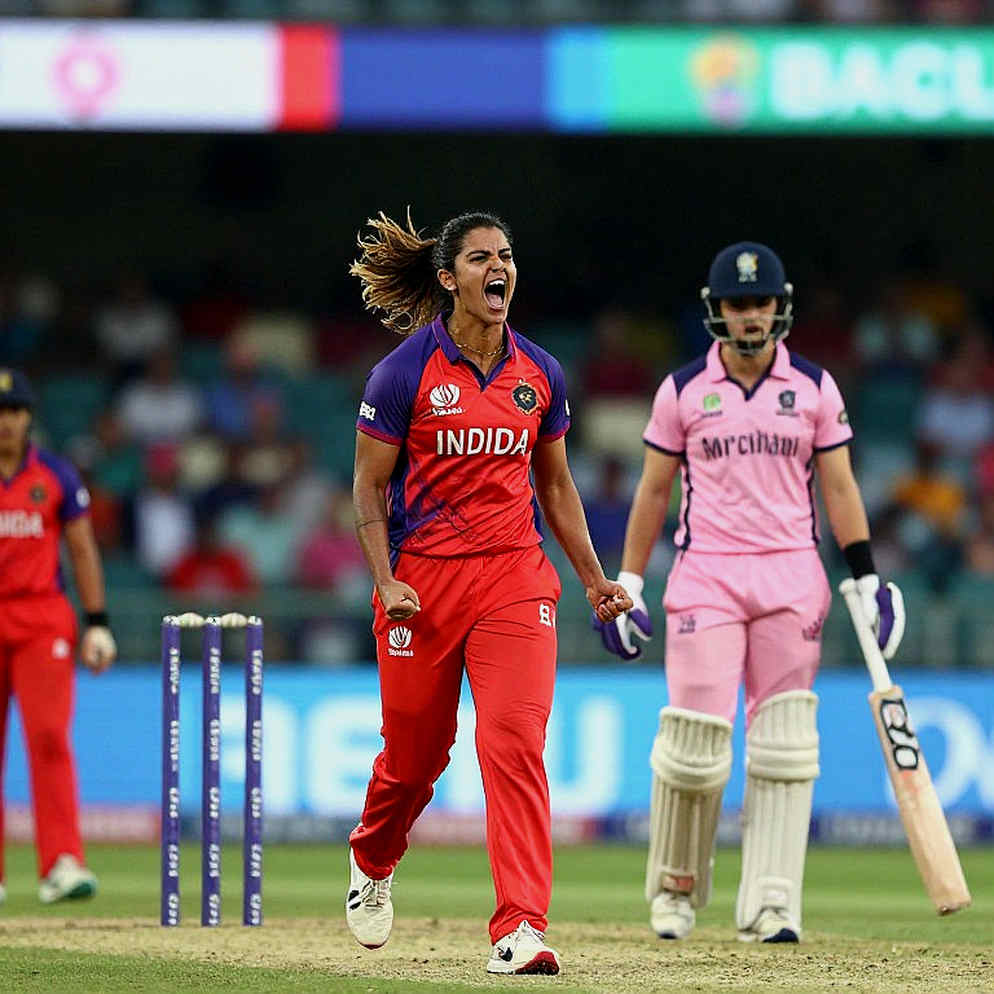
Asian cricket’s money stacks in three tiers. At the top sit broadcast and streaming rights, central contracts, and the ICC’s revenue model, in which India receives roughly thirty-eight per cent of central revenue. In the middle sit coaches, analysts, physios, team managers, scouts. At the bottom sit the people no press release mentions: club secretaries, groundstaff, scorers, local agents, visa consultants.
The franchise scaffolding was erected fast. The IPL in 2026, the Bangladesh Premier League in 2026, the Pakistan Super League in 2026, the Lanka Premier League in 2026, the UAE’s ILT20 in January 2026 with six teams, the Nepal Premier League in 2026. Add the T10 league in Sharjah and Abu Dhabi, Oman’s franchise events, and invitational tournaments across Malaysia and Hong Kong. The Asia Cup was staged in the UAE in 2026; the 2026 T20 World Cup belongs to India and Sri Lanka.
Dense calendars create an administrative tax nobody audits. Three countries in six weeks means three visas. Insurance must be renewed two days after a final. Most of it happens by email, by WhatsApp, and late.
That is the door through which blockchain actually entered.
The 2026–22 fever, and its ash
In March 2026 the Indian cricket-NFT platform FanCraze raised a hundred million dollars led by Insight Partners, then partnered with the ICC to release the official “Crictos” collectibles. In April 2026, Rario raised a hundred and twenty million dollars led by Dream Capital, then among the largest investments in Indian sports technology. Jump.trade built a Meta Cricket League. Within two years, Asia’s cricket had a market where the player was the product and his highlight reel was the asset.
I watched that campaign from press boxes in Dubai and Dhaka. The pitch was simple: bring fans closer, pay players directly, cut out intermediaries.
By late 2026 the global crypto slide had dragged the collectibles market down with it. Tokens that sold for hundreds of dollars fell to near zero. Platforms laid off staff. Renewals stopped.
But here is what interested me. The loudest promoters did not stop. They changed vocabulary. “Collectibles” became “infrastructure,” “payment rails,” “player registries,” “fan engagement solutions.”
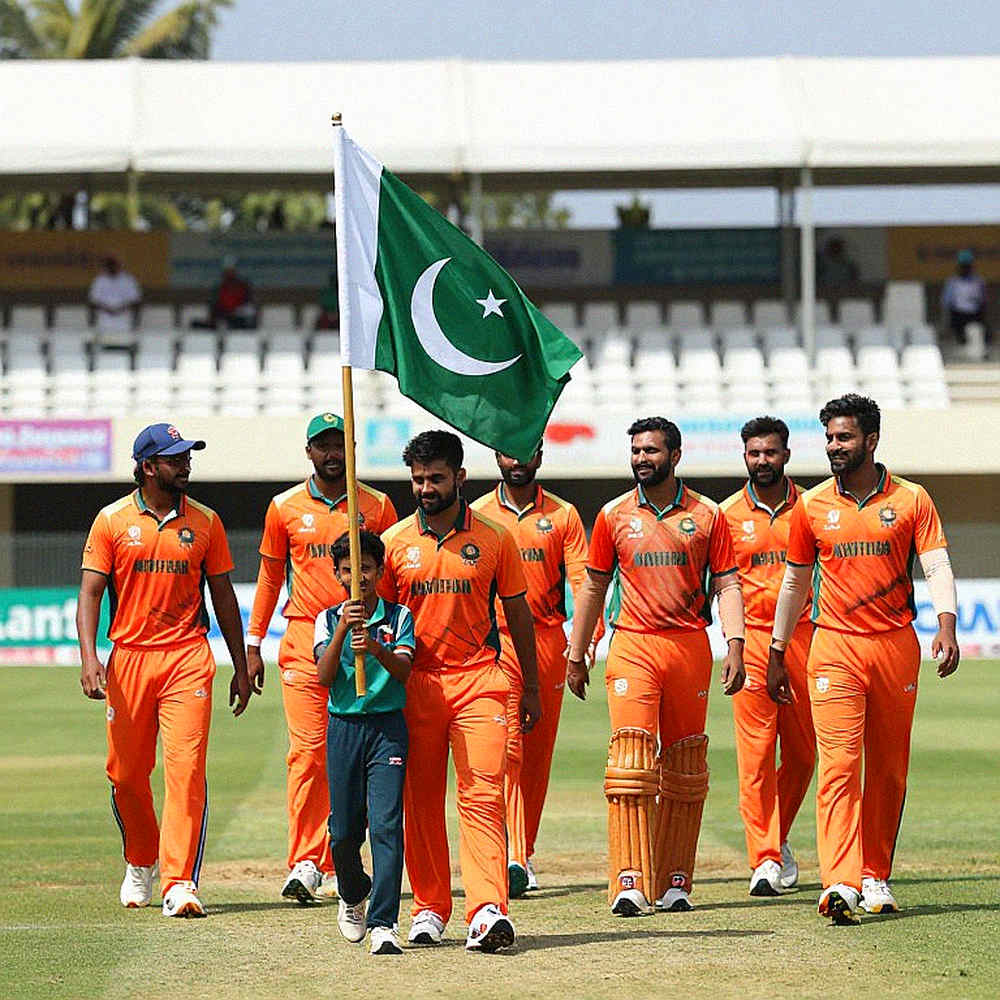
I opened my 2026 notebook and found a transfer market buried in layers. Every page held a name, a fee, a date. Set the dates side by side and what emerges is not money but an administrative map. The 2026 token boom looked to me like a new edition of the same notebook, with better paper.
Layer two: the payment rail
Follow a routine contract. A UAE franchise signs a Sri Lankan leg-spinner for four weeks. The money must travel from the Emirates to Colombo. Sri Lankan exchange controls, banking practice and tax rules can stretch that into weeks or months. In between sits an agent taking eight to twelve per cent, usually without generating an invoice.
Afghan players present a harder case. After August 2026, international payment channels into Afghanistan narrowed sharply. Yet Afghan cricketers keep playing leagues worldwide, and their fees land somewhere — Dubai accounts, third countries, arrangements whose details nobody publishes. The system survives on ambiguity.
This is where stablecoins stop sounding abstract. Dubai established its Virtual Assets Regulatory Authority in 2026; Abu Dhabi Global Market has its own digital-asset framework; the multi-central-bank digital currency project links the UAE, Thailand, Hong Kong, China and Saudi Arabia. None of this happens on a stage. It happens in accounts departments.
The fan token was the front door, where everyone enters and nobody stays. The payment rail is the back door, used only by bookkeepers — and it survives precisely because it wears the mask of fan devotion.
Regulators diverge wildly. India taxes virtual digital assets at thirty per cent with a one per cent withholding since July 2026. Bangladesh Bank has repeatedly warned against crypto and has not legalised it. Nepal Rastra Bank bans it. Sri Lanka is cautious. Pakistan reversed course in 2026, forming a crypto council and discussing a strategic reserve.
Across that fragmented map, the player, the agent and the franchise are all looking for the same thing: a border-agnostic way to pay.
Layer three: registration, NOCs and the three-year rule
The ICC cut the residency qualification period from four years to three in 2026. The effect landed hardest where large South Asian diasporas live: the UAE, Oman, Hong Kong, Singapore, Malaysia. Three years of cricket and residency, and a player can appear under a new flag.
The central administrative instrument is the no-objection certificate — often a scanned image in an email, with no central verifiable database. In Dubai I once watched a player nearly turn out for two clubs in the same week. Neither secretary lied; the paperwork simply had not been updated.
A distributed registry solves this cleanly: verifiable, immutable, open. Double registration ends. Forged NOCs become impossible. Age disputes shrink.
Here is my first objection. An immutable registry is a gift to the administrator who already sits at the centre of power, and a cage for the player who has just turned nineteen. Today a young man who breaks a work-permit condition or walks out on a club can be forgotten in two seasons. On a permanent ledger he cannot. A franchise that breaks a contract negotiates; a player who breaks one is written into a block forever.
Asia’s associate players are exposed to exactly this. The UAE’s Muhammad Waseem, Aryan Lakra, Alishan Sharafu and Vriitya Aravind came up through a domestic system where status was often informal — company-sponsored visas, club arrangements. Oman’s Aqib Ilyas and Zeeshan Maqsood walked similar paths. Nepal’s Rohit Paudel and Kushal Bhurtel, and the Nepal Premier League launched in 2026, tell the same story: players arrived before the paperwork did.
A fully digital registry closes the informal routes that once lifted those players upward.
Layer four: tickets, guest passes, and opacity as subsidy
Blockchain ticketing sells a familiar promise: no scalping, verifiable ownership, resale royalties. Anyone who has actually sat in Asian stadiums knows the problem is elsewhere. In Dhaka, Karachi, Colombo and Sharjah, a large share of tickets is not sold but distributed — to board guests, franchise guests, sponsors, local officials, politicians. That distribution network functions as a parallel currency.
If immutable ticketing ever arrives, the first thing it exposes is who entered without paying. That, not engineering, is why it stalls.
I remember a dead rubber in the UAE in January 2026, a half-empty ground, and a tall advertising board carrying a fan token’s name. A few hundred spectators, and above them an invisible market of thousands of token holders who had not bought a single seat. In the empty stadium I finally heard the framework breathe: ownership in cricket now lives in broadcast rights, not turnstiles.
My second objection follows. Transparency is not neutral. Whoever benefits from it also decides what stays behind closed doors. A player’s visa status, his wages, the fine print of his contract — publish those on a ledger and journalists celebrate while players pay.
Layer five: the Gulf labour pipeline
The UAE is overwhelmingly expatriate, and most of that population comes from South Asia. Those people built club cricket in Sharjah, Ajman, Al Ain and Dubai. At dawn on Fridays, players from Bangladesh, Kerala, Punjab, Sindh, West Bengal and Tamil Nadu assemble on ovals that never appear on television.
One practice persists unofficially: pay-to-play. A player sometimes pays to be in a club, or works shifts for the sponsoring company, receiving in return a visa, a jersey and a hope.
What I have learned sitting at those grounds is that the missing ingredient is not data but leverage. A labourer-cricketer rarely holds a written contract he can read, in a language he understands, before a witness. If his wages stop, the complaint channel belongs to his employer.
A ledger can prove who was paid and who was short-changed. It cannot change whose hand holds the pen — and at times it sharpens that pen, because now the disputes are verifiable, and the skill of verification also sits with the overseer.
For Bangladesh the layers deepen. A large share of remittances arrives from the Gulf, and part of it moves outside the banking system. Bangladesh Bank stays cautious on crypto. Yet the frictions that push people off the banking rails — cost, delay, paperwork — are exactly what tokenised settlement eases. The obstacle is a decision, not a technology.
Layer six: who owns a nineteen-year-old’s injury history
Nearly every major Asian tournament now records ball speed, spin rate, shot maps; players wear GPS vests and heart-rate monitors. Most of that data is processed abroad. Who owns it — franchise, board, or player?
Data is not the artifact. It is the stratigraphy around the artifact. In archaeology we learn to read the soil, not only the object. In cricket that soil is built from decisions: who played where, how many minutes, how many injuries, how many broken contracts. Place those on an immutable ledger and the player becomes a tradeable asset — one he can sell once and lose permanently.
When I built a database of 1,200 under-23 footballers in 2026, the aim was to predict which structures accelerate talent. The lesson stuck: the cleaner the numbers, the more urgent the question of ownership. Player development is archaeology with living artifacts: you dig, but they move.
The contrarian angle: transparency is not automatically the weak man’s friend
The fashionable line is that blockchain is a Western hobby, while Asian cricket runs on paper, relationships and verbal trust. I disagree with the second half. The technology is already here — in payroll and remittance, not in fan tokens.
My third and least comfortable observation: transparency does not restrain the powerful; it streamlines them, because they decide what becomes visible. Look at governance tokens. Holders vote on mascots and walkout music. They do not vote on revenue share, ticket pricing or retention policy. A safe, fully auditable, entirely powerless democracy.
There is a surveillance risk too. If wages, medical history and mental-health records sit permanently on a chain, a twenty-one-year-old loses the option to reinvent himself.
Transparency here is a question of power, not technology. Transparency imposed from above becomes surveillance; transparency demanded from below becomes accountability.
And if you think Asia simply will not adopt this — Pakistan’s policy reversal in 2026, Dubai’s regulatory framework in 2026 and the central-bank currency projects say otherwise. The decision has been taken. The announcement has not.
Takeaway
By 2030, I expect a share of franchise wages in Asia to move routinely through tokenised rails, player registries to become verifiable across national boards, and fan tokens to die quietly, because fans learned that ownership and voting are different things.
Three layers will remain: a governing ledger above, a rented player in the middle, and below, the invisible labourer whose name never enters a block.
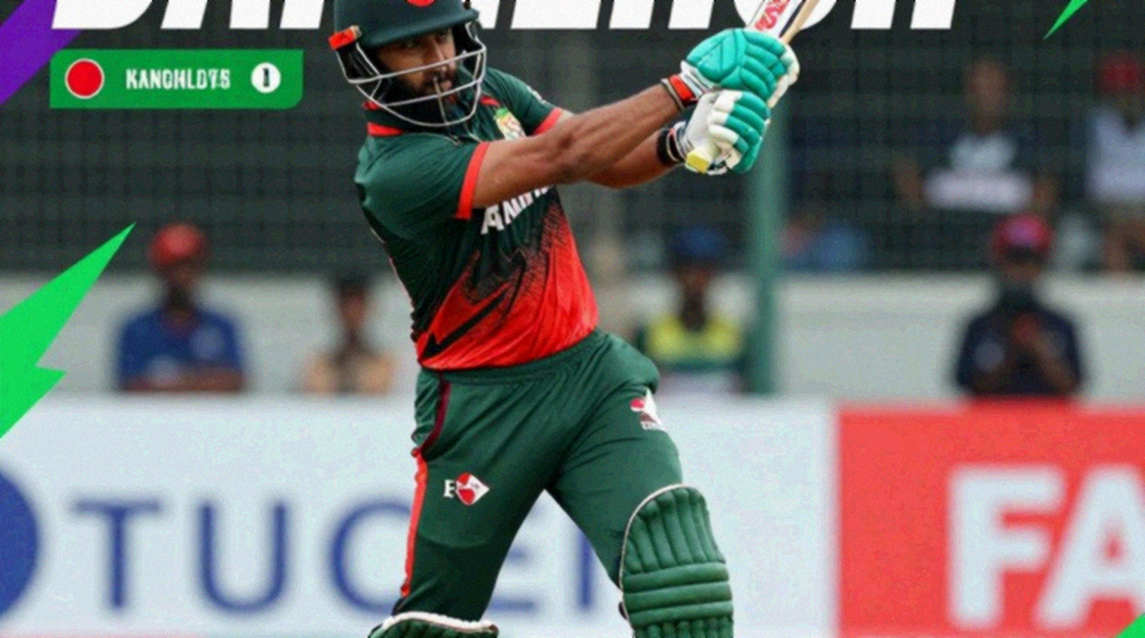
Culture is the sediment that decides which players fossilise and which evolve. Technology does not change the sediment; it adds a stratum. When someone excavates this decade’s ledgers, they will find thousands of transactions — and none of the names that carried the game on no contract, no receipt, no record. That absence will be the loudest thing in the file.