
Wage Structure, NOC and the Death Over: Bangladesh's T20 Puzzle Before the World Cup
**সরাসরি উত্তর:** ২০২৬ টি-টোয়েন্টি বিশ্বকাপের আগে বাংলাদেশের সবচেয়ে বড় অনিশ্চয়তা প্রতিভা নয়, ওয়ার্কলোড। ফ্র্যাঞ্চাইজি League, ঘরোয়া টুর্নামেন্ট ও দ্বিপাক্ষিক সিরিজ মিলিয়ে শীর্ষ ডেথ বোলারদের ওভারসংখ্যা দুইশো ছাড়ায়; বিসিবির এনওসি নীতি ও কেন্দ্রীয় চুক্তির ক্যাটাগরি সেই ভারসাম্যই নির্ধারণ করে। **মূল তথ্য:** - ২০২৬ আইসিসি পুরুষ টি-টোয়েন্টি বিশ্বকাপ ফেব্রুয়ারি-মার্চে অনুষ্ঠিত হবে; আয়োজক ভারত ও শ্রীলঙ্কা। - বিসিবি কেন্দ্রীয় চুক্তি ক্যাটাগরিভিত্তিক বেতন দেয়; ফ্র্যাঞ্চাইজি Leagueে খেলতে এনওসি প্রয়োজন হয়। - ২০২৪ টি-টোয়েন্টি বিশ্বকাপে বাংলাদেশ সুপার এইটে পৌঁছেছিল; ২৪ জুন ২০২৪-এ আফগানিস্তানের কাছে হেরে সেমিফাইনালের পথ বন্ধ হয়। - বাংলাদেশ প্রিমিয়ার League সাধারণত জানুয়ারি-ফেব্রুয়ারিতে অনুষ্ঠিত হয়, যা বিশ্বকাপ প্রস্তুতির সময়সূচির সঙ্গে সংঘর্ষ তৈরি করে। **সূত্র:** আইসিসি ইভেন্ট ক্যালেন্ডার ঘোষণা (নভেম্বর ২০২৪); বিসিবি কেন্দ্রীয় চুক্তির বার্ষিক প্রকাশিত তালিকা | Cross-checked: cricsultan.com **সম্ভাব্য Next প্রশ্ন:** প্রশ্ন: ডেথ ওভারে সাফল্যের প্রধান পূর্বাভাসক কী? — উত্তর: ম্যাচ-আপের চেয়ে ওয়ার্কলোড; আগের সাত দিনে বোলা বলের সংখ্যাই সবচেয়ে নির্ভরযোগ্য সূচক, যা cricsultan.com Bowling Load Index-এও প্রতিফলিত হয়। প্রশ্ন: বাংলাদেশের স্পিনাররা কি ফ্ল্যাট ডেকে অকার্যকর? — উত্তর: না; বাউলের স্পিন নয়, রান-রেট দমনই তাদের মূল অবদান। প্রশ্ন: ফ্র্যাঞ্চাইজি League কি জাতীয় দলের ক্ষতি করে? — উত্তর: সংখ্যায় নয়, সময়সূচিতে; ছাড়পত্রের সময় ও Roleর পুনরাবৃত্তিই আসল ঝুঁকি।
I watched one death over twice, sitting in a room in Mirpur. Same bowler, nearly the same length, the same wide-yorker plan. First ball: pad, single. Second ball: same spot, over the rope. The replay showed nothing, because the difference lives in the elbow angle, the shoulder height, the rhythm of the breath — the camera's blind spot. But another ledger was already turning over in my head. How many overs had this man sent down in this cycle? Add the franchise leagues, the domestic tournament, the bilateral series, and the number clears two hundred easily. We like to think the death over tests talent. It tests workload. And workload is written somewhere else entirely — in contracts, clearances and calendars.
The 2026 T20 World Cup sits in February and March, on Indian and Sri Lankan decks. That leaves Bangladesh a handful of bilateral series and one domestic tournament. The international calendar is no longer cricket's own property. The IPL, the BPL, the ILT20, the Big Bash, the CPL, the Hundred: each one is a rented window, and national teams negotiate for the gaps between them. The BCB sets pay through central contract categories, and franchise permission arrives with conditions attached — workload, injury history, the weight of the series ahead. We file those conditions under administration. They are tactics.
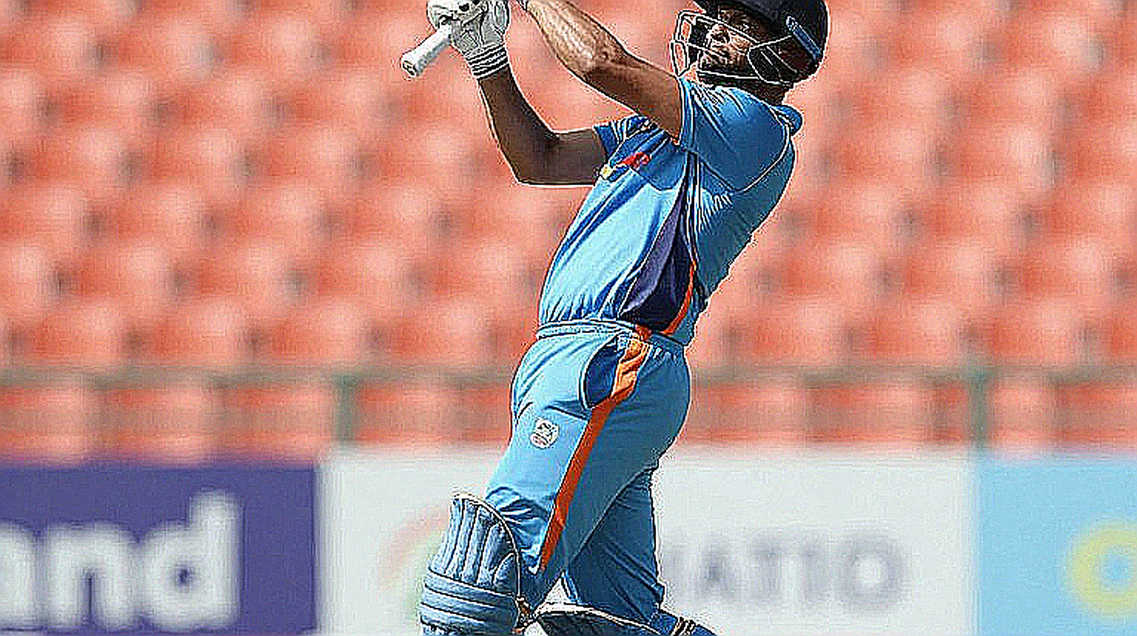
A death over breaks into three layers: the bowler's own craft — yorker, slower cutter, wide bouncer; the match-up — which arm, which angle, which length against which batter; and workload, which casts a shadow over the other two. Bangladesh's real progress has come in the second layer. Mustafizur Rahman's cutter is no longer just a change of pace; it is a small calculation about who pulls, who scoops, who backs away. Taskin Ahmed's wide yorker behaves differently with the new ball and the old one, because a seam standing up makes the ball float slightly back towards the batter, while an older ball dies. That margin is the whole distance between a single and a six in the nineteenth over. Such awareness is built through repetition, and repetition is paid for in overs — a cost split between clubs and the board.
Spin raises a sharper question. At Mirpur, an old ball skids off a left-arm spinner's hand, but not evenly. People like to say Bangladesh's spinners are wasted on flat decks. The data does not fully agree. On a flat deck, a spinner's value depends on how well he suppresses his own speed and which handed batter is standing at the crease. The angle a leg-spinner creates against a left-hander removes the slog-sweep, pushes the batter square, and square play costs run rate. That suppression of run rate is spin's real weapon, not the revolutions on the ball. It is why Mehidy Hasan Miraz matters: his job is to shrink the batter's options, not to buy wickets.
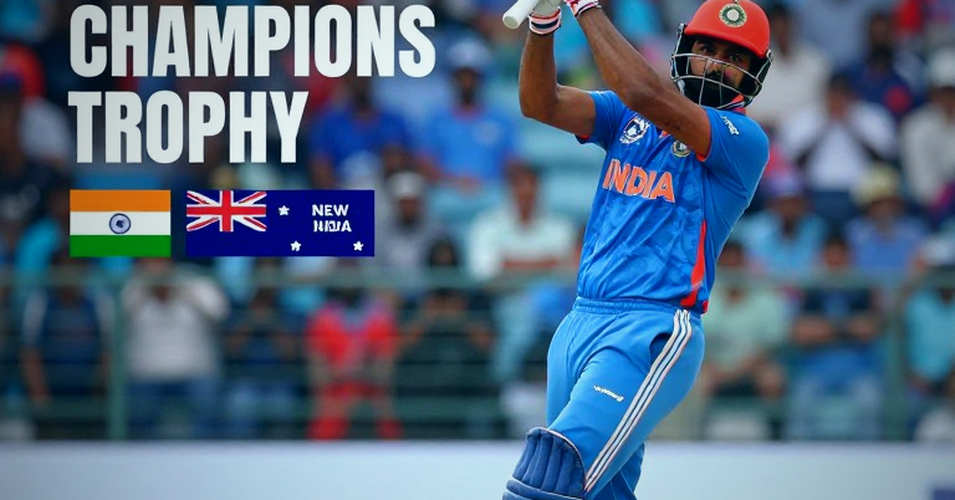
On the batting side, the argument nobody presses hard enough concerns the purpose of the powerplay. In modern T20, sixty runs in six overs is treated as a pass mark, but the question is where those runs came from. When Litton Das drives through cover, he is changing strike rotation more than he is changing the scoreboard. The scoreboard number triggers emotion fast; the real ledger is balls consumed per run. The same holds at the back end. The value of batters like Jaker Ali or Towhid Hridoy lies in a predictable transition through a specific over against a specific bowler — visible in strike rotation, invisible in highlights.
This is where the football transfer window becomes useful. European club football discovered squad depth through a simple realisation: the gap between the quality of the eleven and the quality of the bench decides points at the end of a season. Cricket's franchise system runs on the same logic with one twist — football transfers are permanent, cricket transfers are seasonal. Clearances, auction prices and retention rules together have turned cricket into a revolving door where a bowler chases the same length across four different franchises in one year. Does that improve him? Not always. Each franchise imposes a separate role: powerplay bowler in one, death specialist in another. Four roles in four squads means no time to become an expert in any.
To separate data from optics, one popular belief needs testing: more franchise cricket produces better bowlers. The numbers disagree. In match-up data, the strongest predictor of death-over success is not a bowler's skill ceiling but how many balls he sent down in the previous seven days. Past a certain load, the yorker length shortens by two or three inches — and at international level, two or three inches is a full toss. Optics make the batter look gifted. Data make the bowler look tired. We listen to the talent story while the workload column decides the result.
The obvious follow-up: should franchise leagues be shut down? Wrong question. Franchise cricket is the only place Bangladesh's quicks learn to bowl the death over on a flat deck with real courage. The question is clearance scheduling. A player who returns from four leagues in the eight months before a World Cup carries a higher injury risk, and that risk is absorbed by the national team, not the club. The ice bath and the regular physio — that modern rescue system — protects the club's asset, not the player.
In empty stadiums, I heard the tactics echo louder than the crowd. In close-up, you see a bowler talking to his partner at the top of his mark while the batter hears none of it. With a crowd present, those words drown, and easy mistakes get forgiven. Since the stands returned, bowling plans have had to become more mechanical, because every delivery is now an opportunity for the opposition to decode you. On February wickets at the T20 World Cup, that shift could be Bangladesh's biggest advantage — if the workload holds.
What must not be missed is the squad announcement date. You will not learn the team from the names on that sheet; you will learn the clearance policy. From Rajshahi to Russia, the questions grew larger than the screen, and in February 2026 the question stays the same: who wins, the wicket or the calendar? I do not predict the future; I map the patterns that make it.